
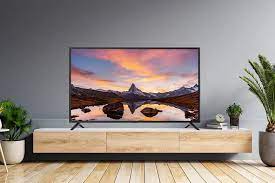
India offers a wide range of TV brands known for delivering an immersive viewing experience. Here are 12 popular TV brands in India:

Samsung is a well-known brand offering a range of high-quality smart TVs with excellent display technology.
Samsung TVs come with various display technologies, including QLED (Quantum Dot LED), OLED (Organic Light Emitting Diode), and LED (Light Emitting Diode) panels. QLED TVs are known for their vibrant colors, high brightness, and excellent HDR performance, while OLED TVs offer deep blacks and wide viewing angles.
Sony is renowned for its Bravia series of televisions known for their picture and sound quality.
Sony TVs feature various display technologies, including OLED (Organic Light Emitting Diode), LED (Light Emitting Diode), and LCD (Liquid Crystal Display) panels. Sony’s OLED TVs offer deep blacks, vibrant colors, and wide viewing angles, while their LED-LCD TVs utilize advanced backlighting technologies for enhanced brightness and contrast.
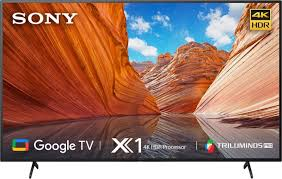
LG offers a range of display technologies, including OLED (Organic Light Emitting Diode) and LED (Light Emitting Diode) panels. LG OLED TVs are highly regarded for their superior picture quality, with deep blacks, vibrant colors, and wide viewing angles. LED TVs from LG utilize advanced backlighting technologies such as NanoCell and Mini LED to enhance brightness, contrast, and color accuracy.
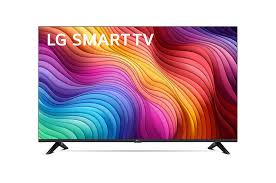
Panasonic utilizes different display technologies, including LED-LCD (Light Emitting Diode-Liquid Crystal Display) and OLED (Organic Light Emitting Diode). LED-LCD models offer excellent brightness, contrast, and color accuracy, while OLED TVs provide deep blacks, vibrant colors, and wide viewing angles.
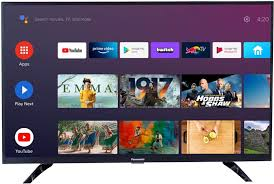
TCL offers budget-friendly and feature-rich smart TVs with good picture quality.
TCL TVs feature LED (Light Emitting Diode) display technology. While they don’t produce OLED TVs, TCL’s LED TVs utilize advanced backlighting technologies such as QLED (Quantum Dot LED) to enhance color accuracy, contrast, and brightness.
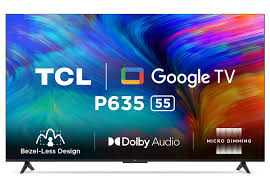
Xiaomi’s Mi TVs provide affordable options with smart features and good picture quality.
Xiaomi Mi TVs typically feature LED (Light Emitting Diode) display technology. While they don’t produce OLED TVs, Xiaomi employs advanced LED backlighting techniques to enhance picture quality, color accuracy, and contrast.
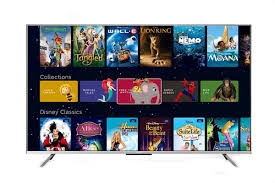
OnePlus offers premium QLED and ULED TVs with a focus on high-end performance and design.
OnePlus TVs typically feature LED (Light Emitting Diode) display technology. They leverage advanced LED backlighting techniques to enhance picture quality, color accuracy, and contrast. While OnePlus TVs do not currently offer OLED panels, they aim to deliver impressive visual experiences through their LED displays.
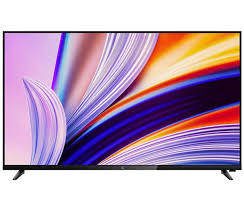
VU TVs typically feature LED (Light Emitting Diode) display technology. They utilize advanced LED backlighting techniques to enhance picture quality, color accuracy, and contrast. While VU TVs do not offer OLED panels, they aim to deliver impressive visual experiences through their LED displays.
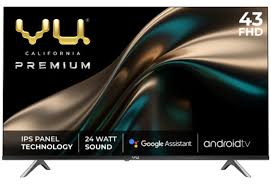
Onida TVs typically feature LED (Light Emitting Diode) display technology. They utilize advanced LED backlighting techniques to enhance picture quality, color accuracy, and contrast. While Onida TVs do not offer OLED panels, they aim to deliver impressive visual experiences through their LED displays.
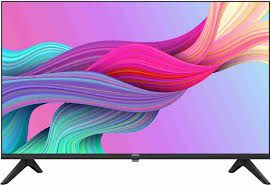
Thomson TVs typically feature LED (Light Emitting Diode) display technology. They utilize advanced LED backlighting techniques to enhance picture quality, color accuracy, and contrast. While Thomson TVs do not offer OLED panels, they aim to deliver impressive visual experiences through their LED displays.
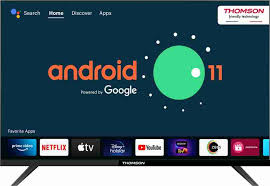
Haier TVs typically feature LED (Light Emitting Diode) display technology. They utilize advanced LED backlighting techniques to enhance picture quality, color accuracy, and contrast. While Haier TVs do not offer OLED panels, they aim to deliver impressive visual experiences through their LED displays.
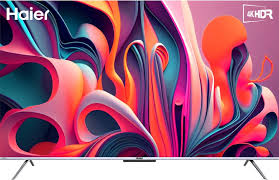
Micromax TVs typically feature LED (Light Emitting Diode) display technology. They utilize LED backlighting to enhance picture quality, color accuracy, and contrast. While Micromax TVs do not offer OLED panels, they aim to deliver satisfactory visual experiences through their LED displays.
When choosing a TV brand, consider factors like screen size, resolution, smart features, sound quality, and budget. It’s also important to check for customer reviews and expert recommendations to ensure that the TV brand you select aligns with your specific requirements for an immersive viewing experience.
1. What should I consider when choosing a TV brand in India?
Look for display quality (4K/QLED/OLED), sound performance, smart features, connectivity, warranty, and after-sales service when selecting a TV brand.
2. Which TV display types offer the best picture quality?
OLED and QLED panels generally offer the best picture quality with deep blacks, vibrant colors, and wide viewing angles.
3. Do better TV brands offer good sound quality?
Top brands often include advanced audio technologies like Dolby Audio, DTS, and built-in subwoofers, but pairing with a soundbar can enhance the experience further.
4. Are smart TVs worth buying in India?
Yes. Smart TVs offer internet connectivity, app support (Netflix, YouTube, Prime Video), voice assistants, and screen casting features for enhanced entertainment.
5. Which TV brands are best for gaming?
Brands with low input lag, high refresh rates, and good motion handling — such as LG, Samsung, Sony, and Hisense — are great for gaming.
6. Should I buy a TV with 4K resolution?
Yes. 4K TVs provide sharper images, richer detail, and better future-proofing compared to Full HD TVs, especially on larger screens.
7. What size TV should I choose for my room?
32–43 inches: Small rooms or bedrooms
49–55 inches: Most living rooms
65+ inches: Large rooms or dedicated home theaters
8. Is after-sales service important for TV brands?
Absolutely. Good brands offer wide service networks, quick support, and warranty coverage, ensuring peace of mind.
9. Can I connect external devices to these TVs?
Yes — modern TVs offer HDMI, USB, Bluetooth, and Wi-Fi connectivity for gaming consoles, soundbars, and media devices.